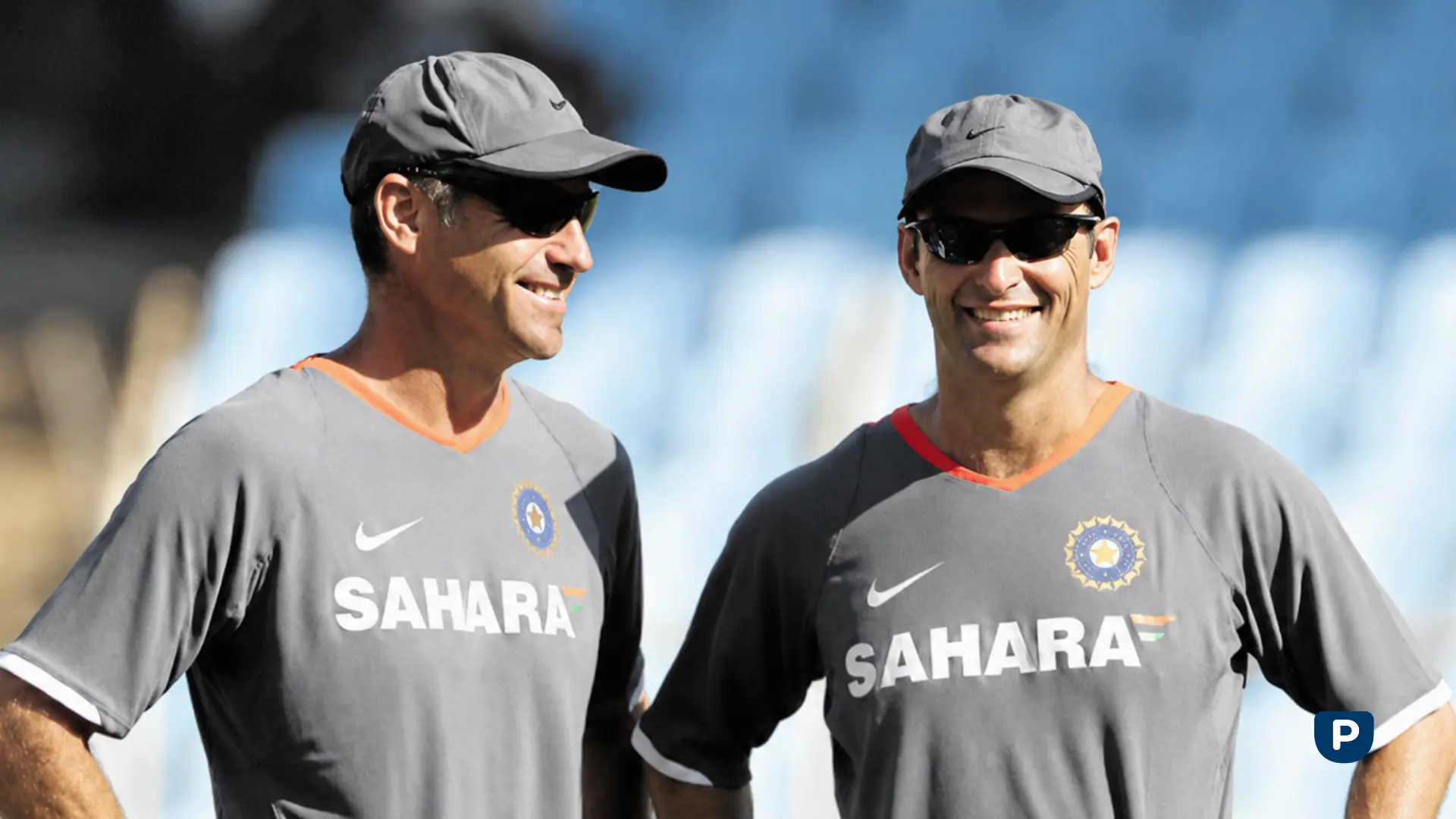
By Paddy Upton
Years ago, Gary Kirsten wrote me a reflection after a conversation in his garden overlooking Table Mountain. I found it again recently and read a line back to him: “I see my career as a constant battle against the odds and against my limitations.” He hadn’t looked at those words in a long time.
What followed in that old letter was a description of what he called the fear of failure tunnel. Tightness. Shortened breath. A loss of direction and focus. It read as something almost physical, and it was very real. When I asked whether fear of failure is something a person eventually gets rid of, his answer was immediate.
“It doesn’t go away. You learn to manage it better, that’s all.”
Underneath the fear was something more specific than fear of failing. Gary’s sense of worth had become tied to his runs. Score well, and he felt big. Score poorly, and he felt small. He traced the source further back, to a need to fit in, to look good, to be accepted by the people around him. It’s a familiar place. Fear of failure and pressure to succeed are close cousins, both born from attaching ourselves too tightly to a result we don’t fully control.
The cost of that attachment showed up off the field too. Gary admitted that during the years his identity was most fused with his batting average, he became insular, harder to live with, focused mostly on himself. It took years, and a fair amount of self-awareness, to find what he now calls a more authentic version of himself, one that exists whether the runs come or not.
This pattern isn’t limited to sport. Leaders carry the same fear into boardrooms, tying their worth to a quarter’s numbers, a launch, or a client’s decision. It rarely announces itself as fear of failure. More often it shows up as urgency, a short temper, or a need to control outcomes that were rarely fully within our control to begin with.
Managing it well doesn’t start with wanting the result less. It starts with noticing the moment a result stops being information and starts feeling like a verdict on who you are. That noticing is quiet work, and it rarely happens once. Gary still does it. So do I. It’s less about arriving somewhere and more about catching the pattern a little earlier each time it shows up.