By Paddy Upton
When researchers asked children why they played sport and asked them to rank their reasons, winning came in eighth in one study and eleventh in another. What came in first in both of them was fun.
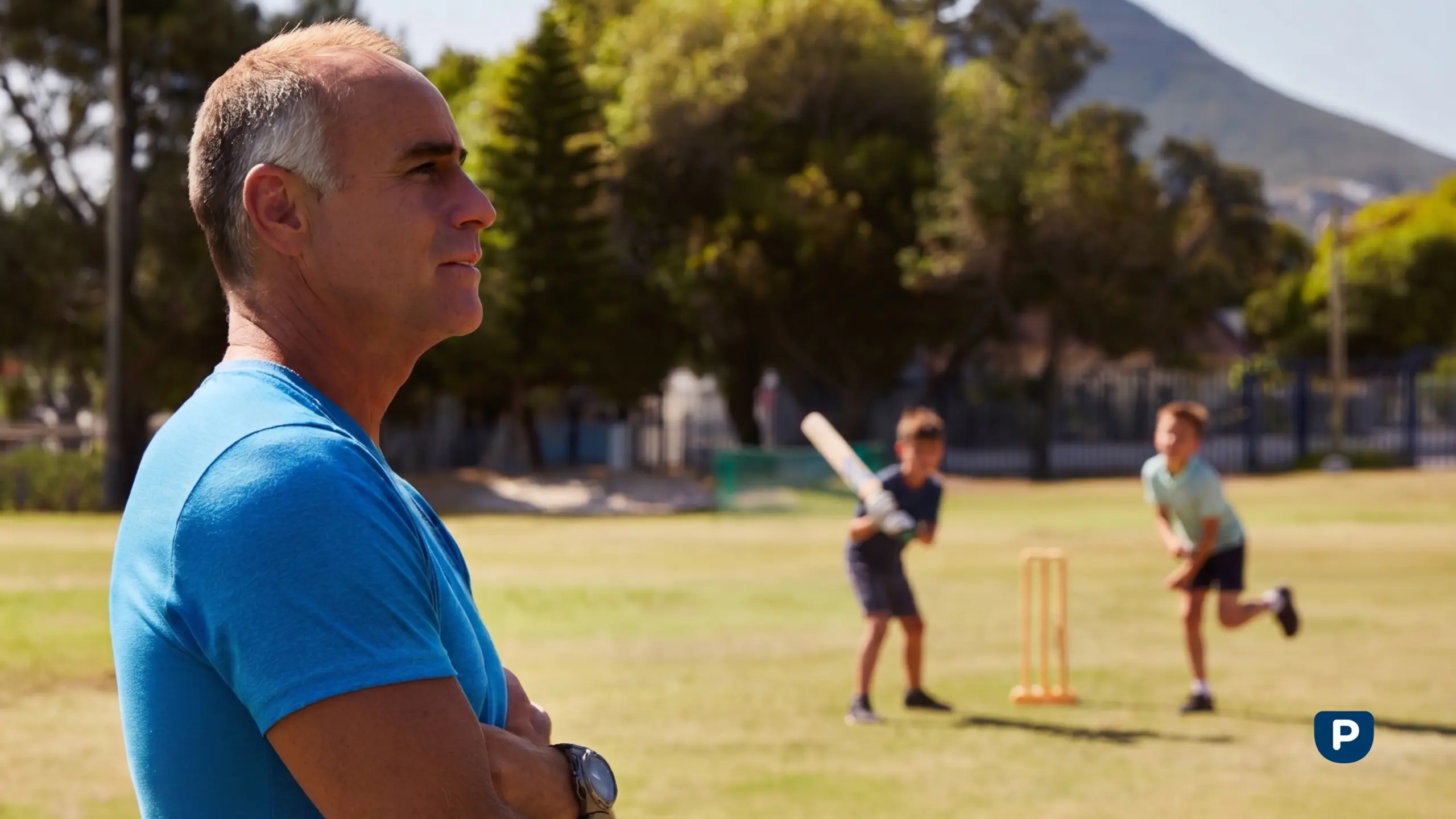
That finding is worth sitting with. Because most of the pressure applied in school sport — from the sideline, in the car on the way home, in training environments — is applied in the name of winning. And winning, it turns out, is largely an adult agenda. Children tend to make it important only when they notice how important it is to the adults around them.
Large school sport studies suggest that 70% of the 40 million children who start playing sport at school give up before the age of 13. When asked why, the two main reasons given were parents and coaches. Not the sport itself. The experience in it.
On the coaching side, the patterns are fairly consistent. Over-emphasis on winning, yelling, creating environments where children are scared to make mistakes. On the parent side, the complaints are similar — pressure, unrealistic expectations, and being coached from the sideline by someone who means well but whose involvement lands differently than intended.
Underneath most of these patterns is a clash of agendas that rarely gets named directly. The adult wants the child to win. The child wants to enjoy themselves and be with their friends. Those two agendas are not always in conflict, but when the adult’s agenda starts to dominate, the child’s reason for being there quietly disappears.
What makes this harder to sit with is that success before the age of 13 has no statistical bearing on how successful that child will be by 18. The pressure is being applied at an age when it predicts very little. A child who dominates at 12 is often just the child whose body developed first. The child getting knocked around and having to work harder is often building something the early standout is not yet being asked to build.
Most children do not remember the score of the games they played at school. They tend to remember how the experience felt. And that is shaped far more by the adults around them than by the result on the day.
This is what the Winning with Kids course is built around — helping parents understand how their presence, reactions, and expectations shape that experience, and what a more supportive way of showing up can look like in practice.
Winning with Kids — The Course