Paddy Upton,
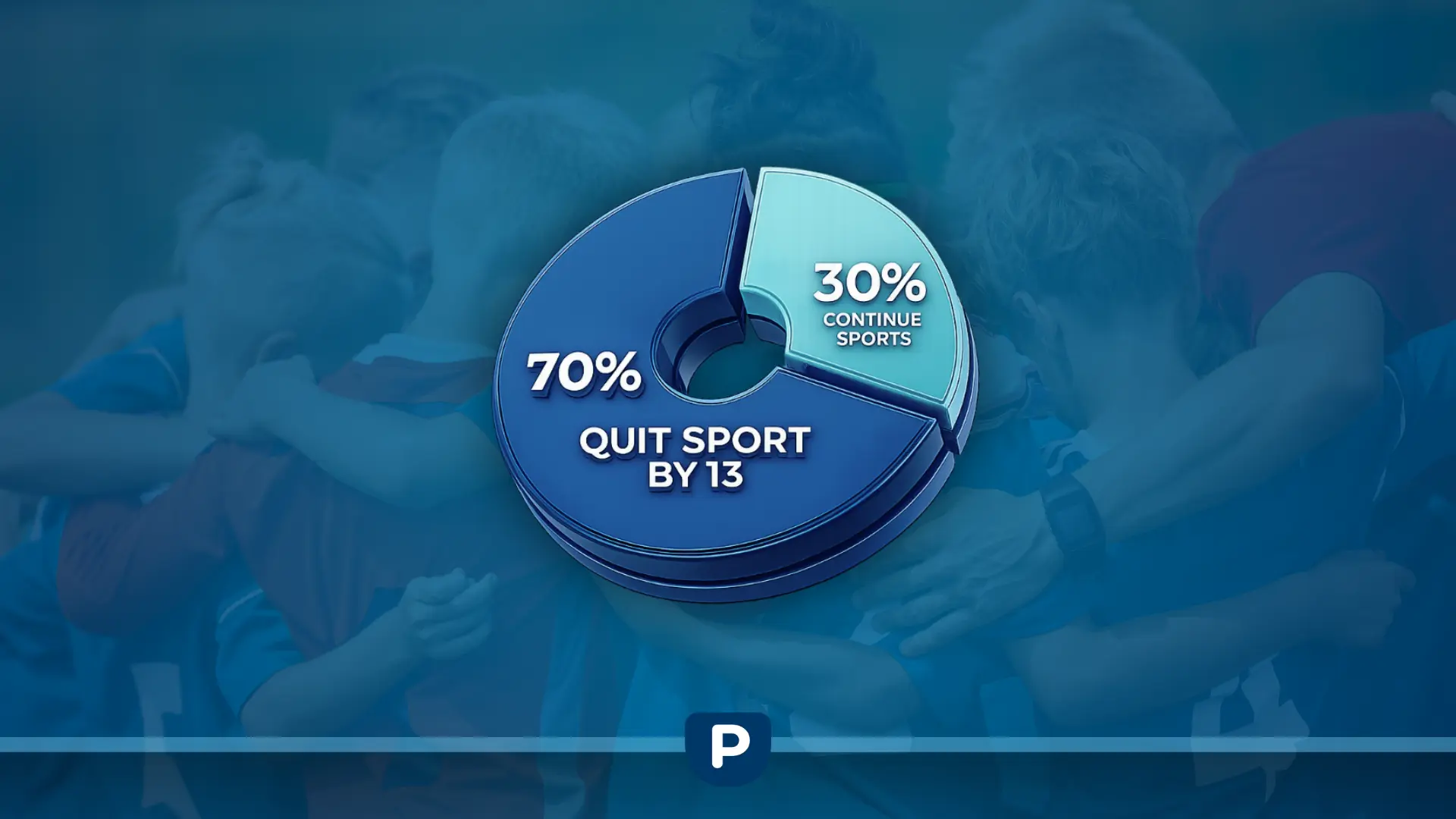
70% of kids stop playing organised sport by the age of 13. One of the most common reasons given is simple: it’s no longer fun. And when asked what makes it not fun, the answer is two primary causes — parents and coaches.
Most parents I meet are coming from a good place. We care about our kids, we want them to do well, and we want to support them in their sport. And yet, on many school fields and sidelines, the adult behaviour often carries more emotion than the children on the field.
It’s easy to notice the extremes — the shouting, the arguments, the frustration — and assume that’s the issue. But those moments usually don’t start with aggression. They tend to start with care. Care that gradually becomes expectation. Expectation that, under pressure, turns into emotion. And without really noticing it, the environment around the child becomes heavier than it needs to be.
Most children are already arriving at sport with a full day behind them. School, friendships, expectations, and their own internal pressure. By the time they step onto a field, they don’t necessarily need more instruction or analysis. Many times, what supports them most is one place where things feel a little steadier.
When that steadiness is missing, sport can slowly shift from something enjoyable to something that feels tense, evaluated, and emotionally loaded. Often, that shift shows up in small moments — the look on a parent’s face after a mistake, the tone in a post-match conversation, or the car ride home. Over time, that experience shapes whether a child leans into sport — or quietly steps away from it.
That doesn’t mean parents should step back or become passive. Our role remains important. But the way we show up, especially in moments after mistakes or losses, tends to shape how our children experience sport far more than the result itself.
Over the years, working with professional teams and speaking with school communities, I’ve noticed that many of these patterns are not intentional. They sit in our blind spots. Which means that shifting them starts with awareness, not blame.
There’s a short Sport Parent Check-In linked here if you want to see where some of these patterns show up for you.
That’s really where the Winning with Kids course comes from — a practical, chapter-based course to help parents support their child with more clarity and steadiness. Because while most children may not remember the score of a game, they often carry with them how the experience felt. Winning With Kids: The Course That Every Parent Needs to Hear